


Locating a termite infestation in your house can be incredibly overwhelming, but once your immediate concern is addressed, it’s time to shift your focus towards preventative measures to avoid any more damage in the future. In order to strategically work on preventing further damage and properly address the cost of the damage caused by termites, you must also understand the long-term implications of protecting your home and finances from future infestations.
There can be a variety of costs associated with termites and their destruction, including how serious the infestation is and what type of damage was done. For instance, a minor wood repair in the home may only cost a few thousand dollars versus severe structural damages to beams, or flooring joists, all the way up to tens of thousands of dollars worth of damages. Therefore, it is important to detect a problem early and then take immediate action.
Installing a termite management system is one of the best long-term preventative options you can take. Some methods to help deter termites from entering your house during construction would include installing physical barriers around the home, such as termite shields, or using chemical barriers in the soil. There are also many chemical treatment zones that disrupt the termite feeding and nesting environment for the insects and keep them away from any of their colony’s resources.
All timber frame homeowners, specifically those who live in very high termite activity areas, are highly recommended to have annual pest inspections by a licensed pest inspector in order to identify any issues as quickly as possible. Annual inspections will enable the homeowner to catch a problem with an infestation before the termite causes a large amount of damage to their property.
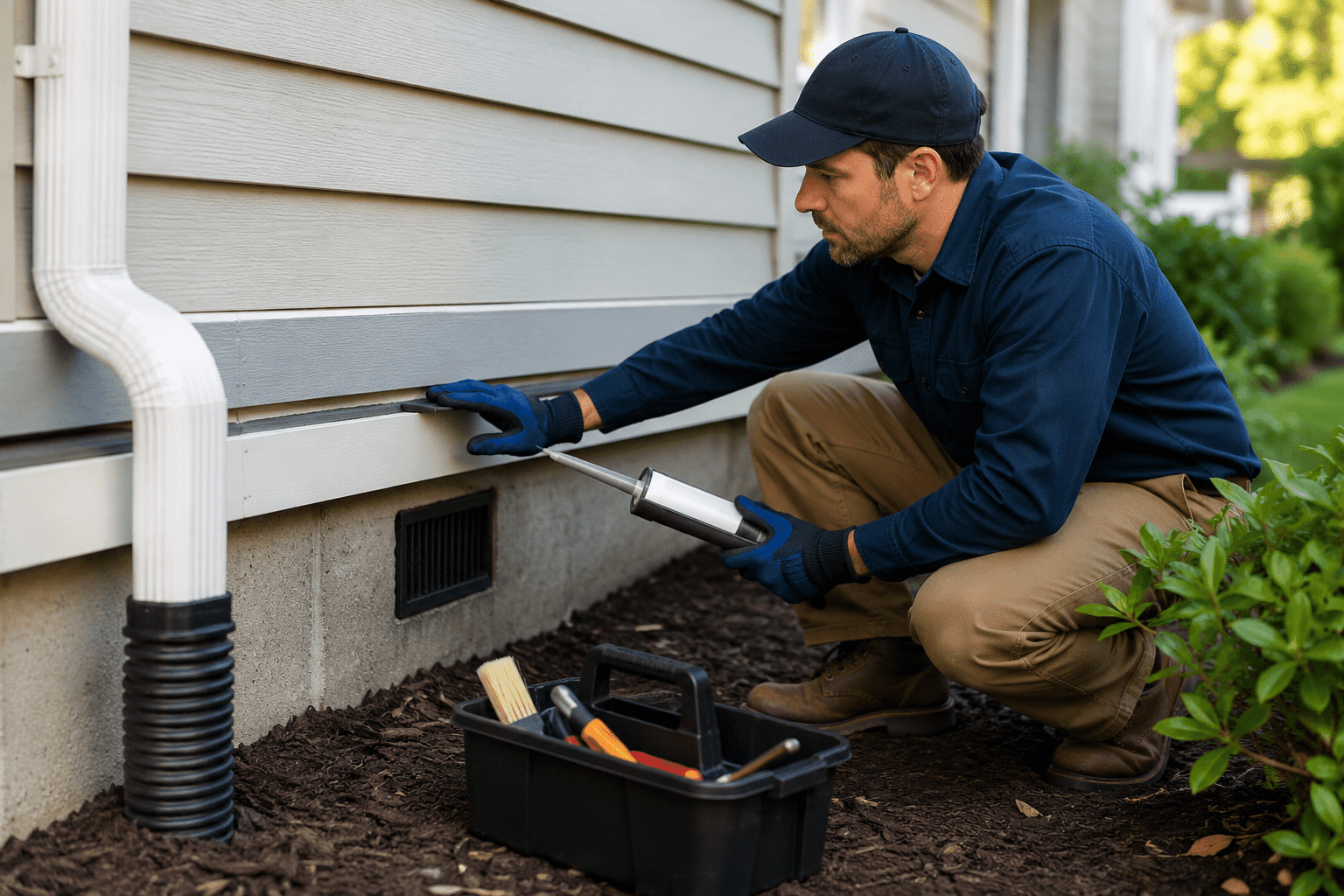
Another key prevention aspect is keeping moisture away from your home. Termites thrive in damp environments; therefore, eliminating leaks or updating your drainage system and providing proper ventilation will greatly decrease the threat of future infestations. Simple maintenance tasks such as clearing gutters, fixing leaking taps, and ensuring proper airflow in subfloor areas can make a significant difference in reducing the likelihood of termite attraction and survival around your property.
It is also advisable not to stack timber, firewood, or anything else made of wood up against or under your home because these can potentially attract termites as well as act as a route that termites can use to enter your home’s structure. Keeping a clear gap between soil, timber, and the building structure helps create a barrier that makes it more difficult for termites to access vulnerable areas unnoticed.
By employing proper preventive measures and with assistance from an accredited pest management company, you can greatly decrease your home’s chances of being damaged by termites and maintain the long-term value of your home. If you already have damage, contact professionals today to learn the cost to fix termite damage in your case, and take the first steps rather than allowing it to get worse!